
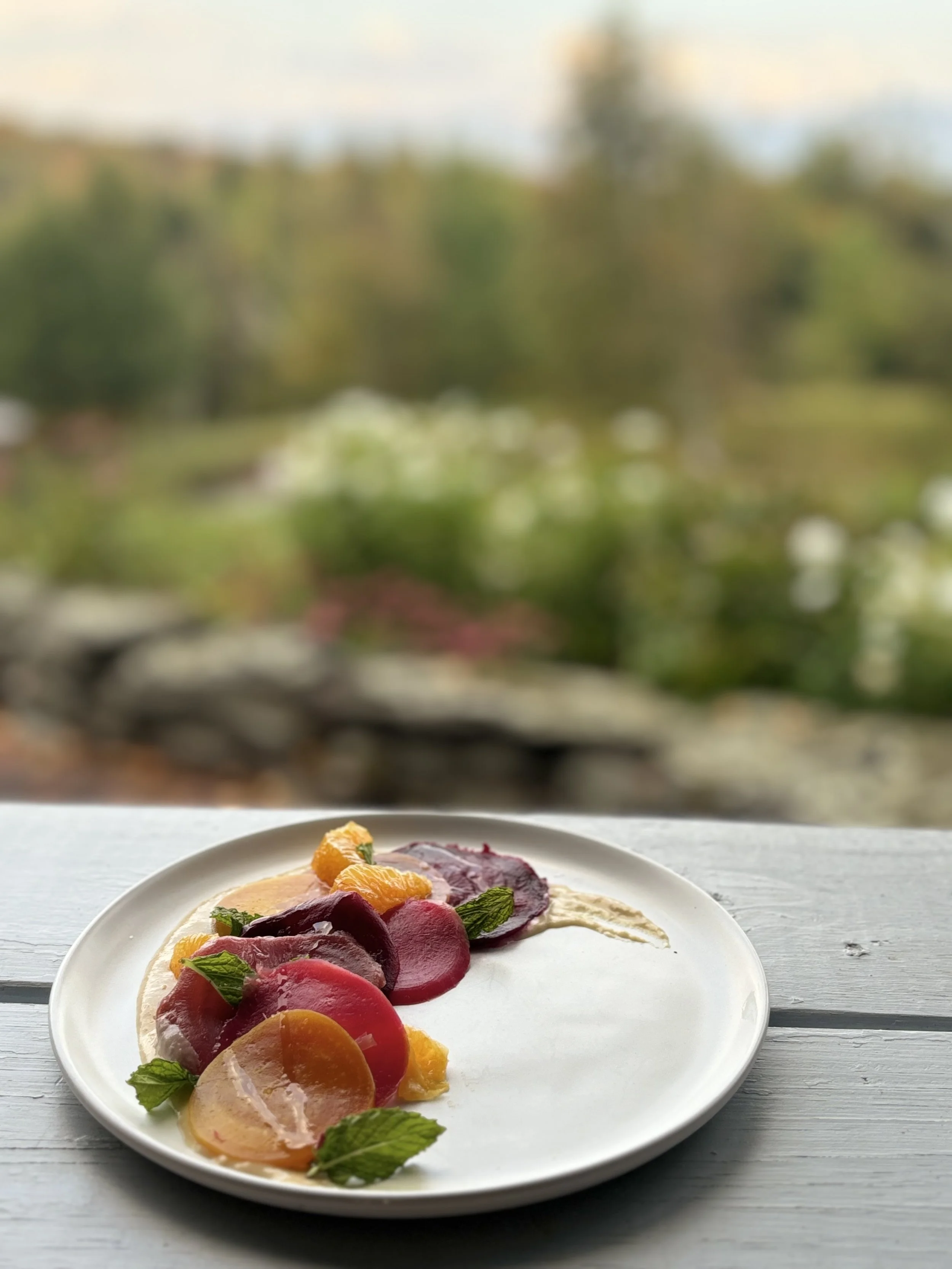
Holistic Culinary Foundations
Level I
A 12-week immersion in culinary craft, Ayurveda, sensory awareness and seasonal cooking.
The Foundations of Holistic Cookery
Level I is the beginning of an Elements education: a 12-week immersion in foundational culinary technique, Ayurvedic principles, sensory awareness, ingredient knowledge and seasonal cooking.
Each week pairs holistic theory with practical kitchen work. Students learn through observation, repetition, tasting and transformation—building the skills to move beyond recipe dependence and toward genuine culinary understanding.
The course culminates in The Elements Practicum, an individual practical assessment in which each student receives an unfamiliar selection of seasonal ingredients and independently conceives, prepares and serves a complete meal.
❋ Ingredient Literacy
Learn to recognize ingredients through taste, quality, seasonality and effect.
❋ Ayurvedic Principles
Develop a working vocabulary of rasa, guna, agni, dosha and the elements.
Build confidence with the essential methods that transform ingredients into food.
❋ Foundational Technique
❋ Culinary Intuition
Move beyond dependence on recipes toward observation, adaptation and discernment.
“To learn to cook is to learn to pay attention.”
Learn the Principles Behind the Recipe
Level I develops the foundations of a confident, observant and adaptable cook.
Over twelve weeks, students study essential culinary techniques alongside Ayurvedic principles, ingredient knowledge, sensory training and seasonal awareness. Theory and practice continually inform one another: students learn a principle, experience it in the kitchen, observe its effects and return to it with greater understanding.
This is not a recipe course.
Recipes will be used, written and studied, but the larger aim is culinary fluency—the ability to look at what is available, understand how it behaves and make thoughtful decisions about how to transform it.
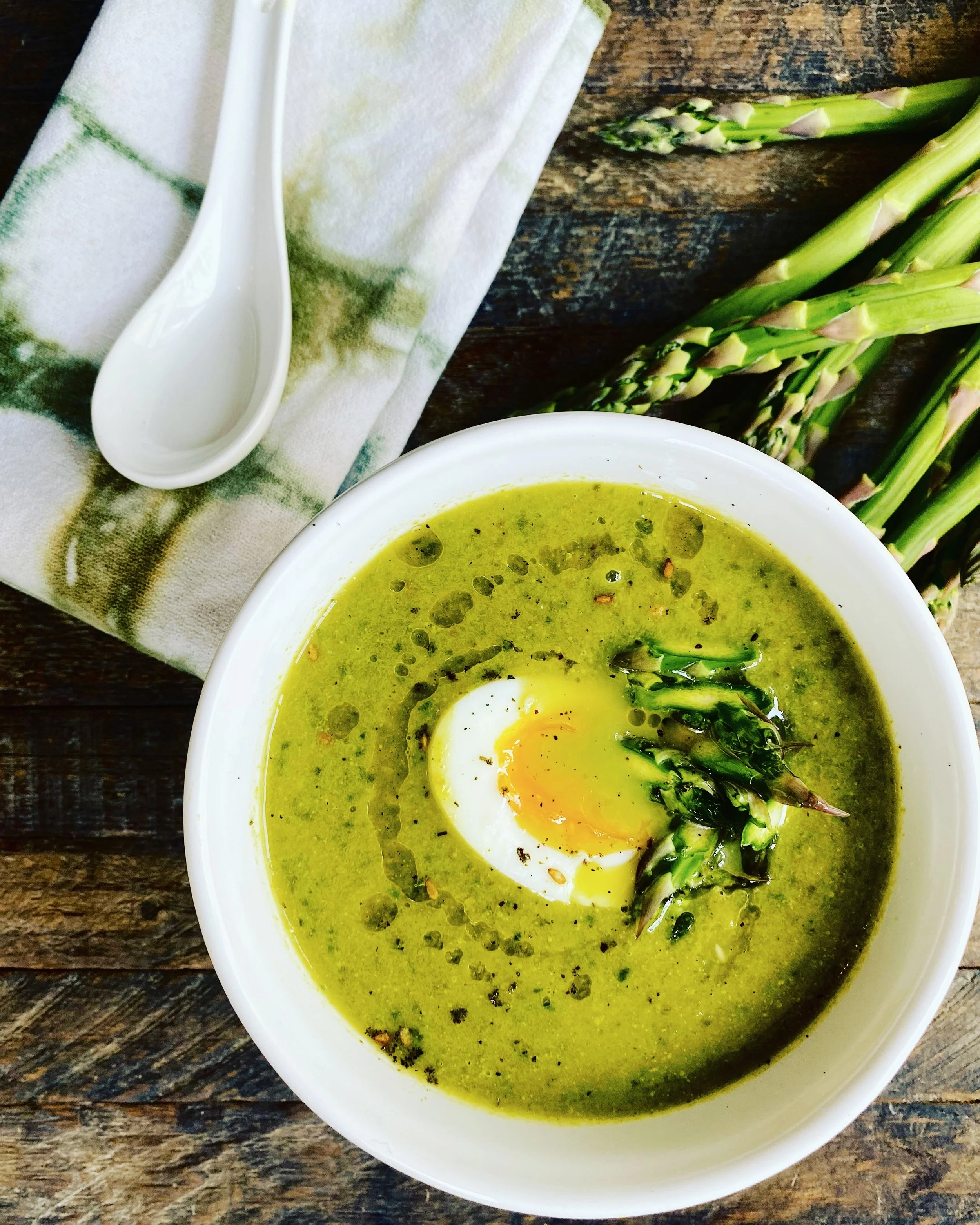
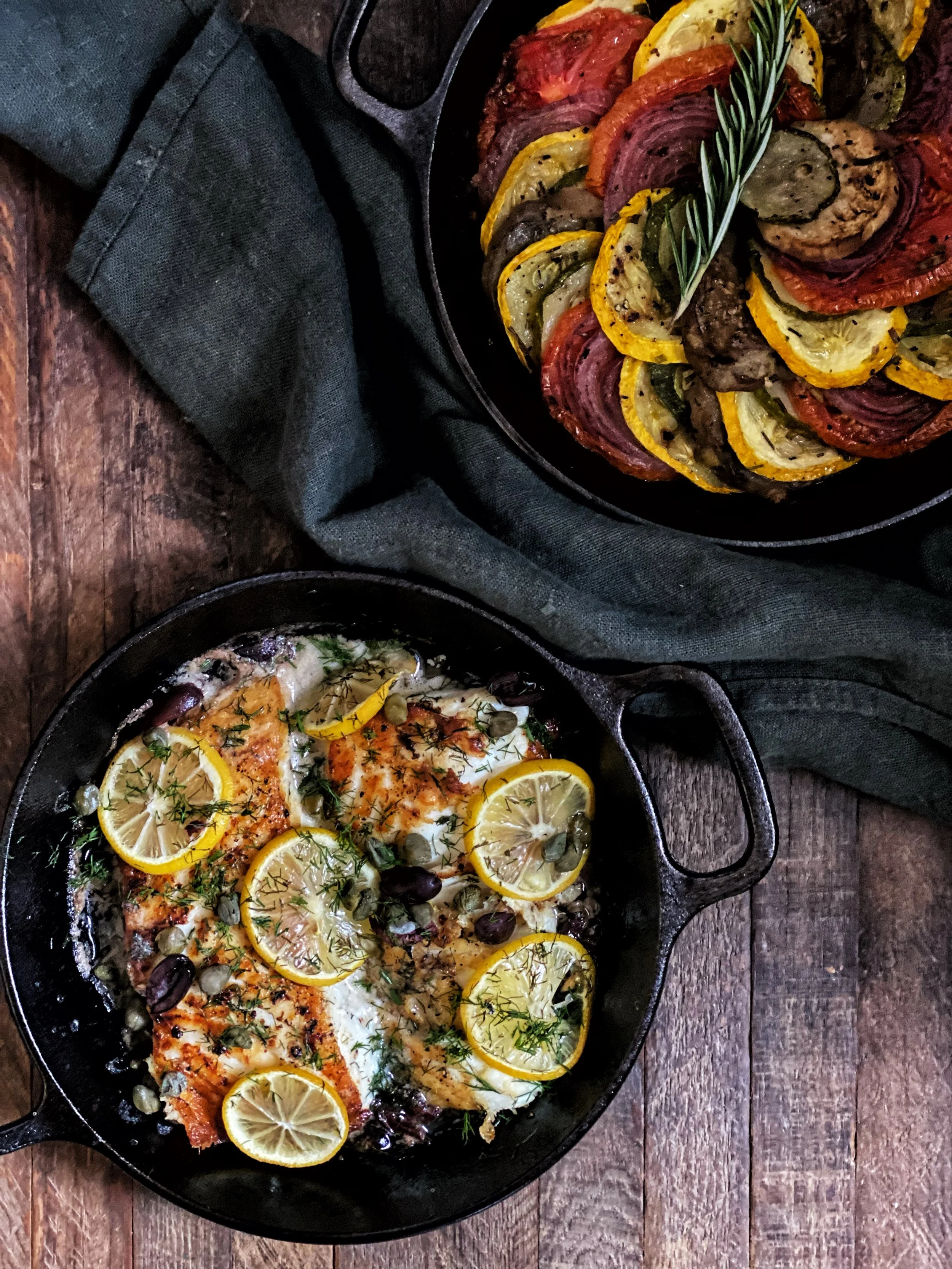
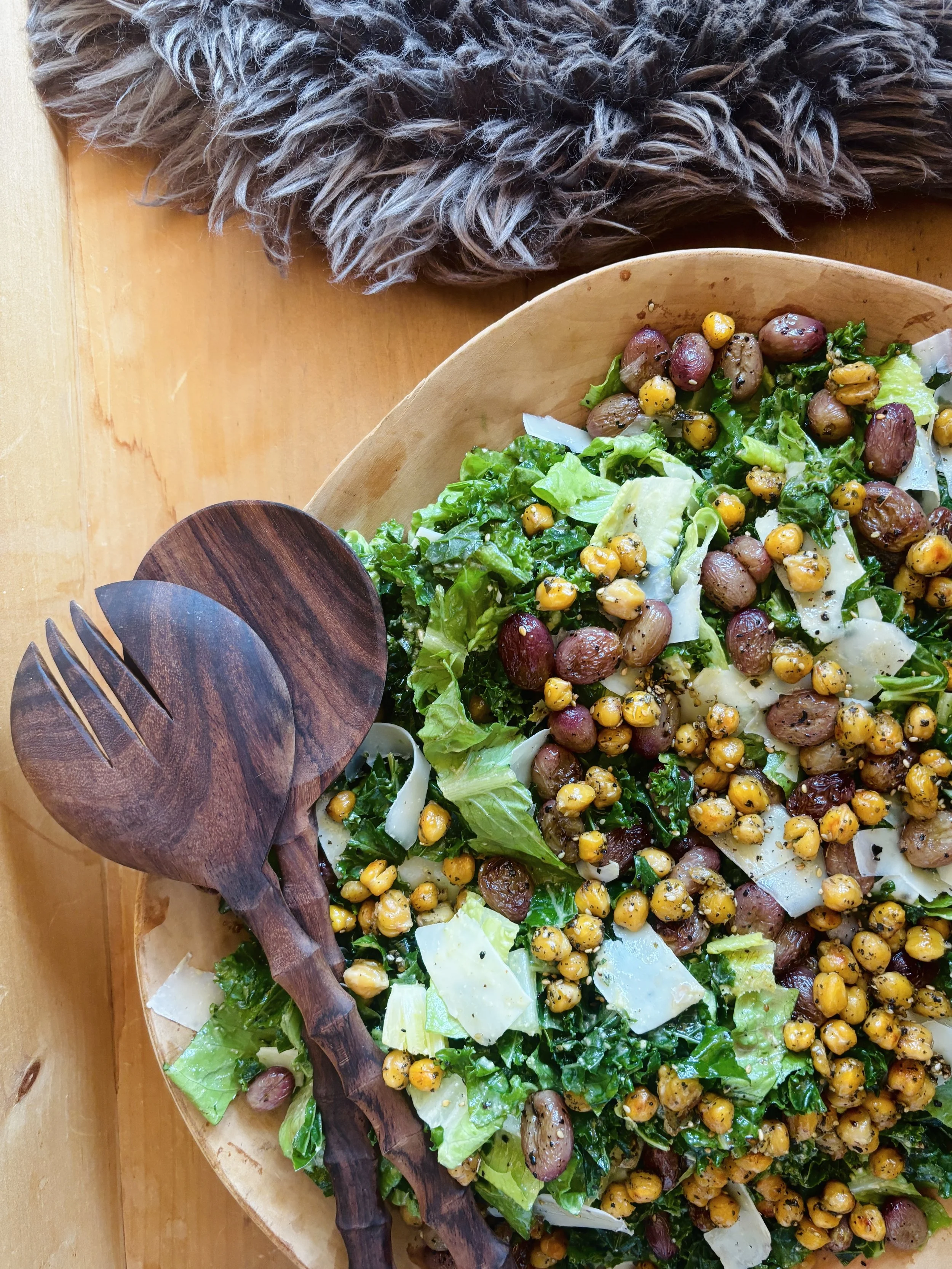
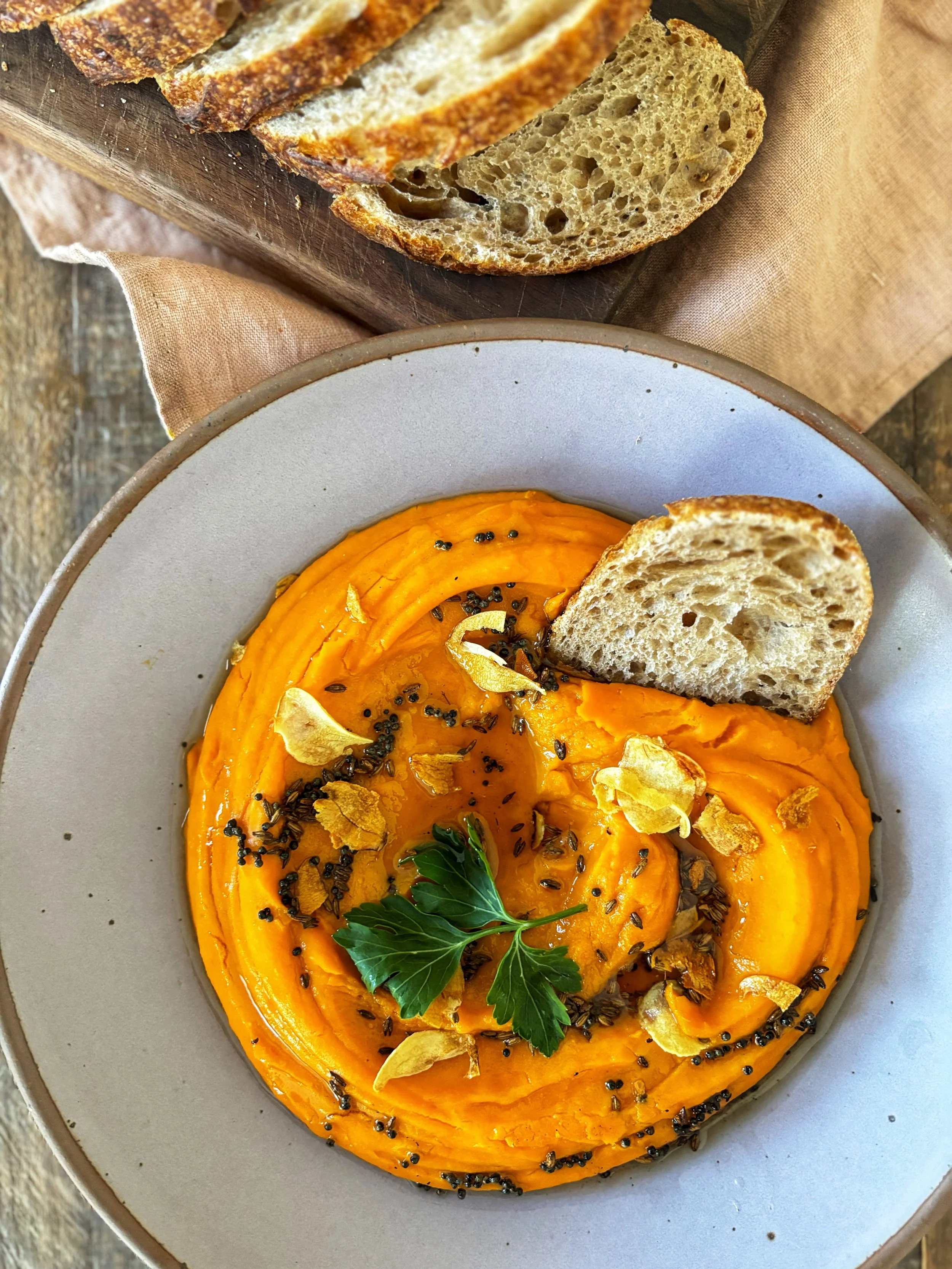
How the Course Works
Each week combines a holistic theory seminar with an in-person culinary lab.
❋ Theory
The weekly seminar introduces the ideas behind the work: Ayurveda, rasa and guna, digestion, seasonality, ingredient anatomy, transformation, traditional foodways and the reasoning that allows cooks to make intelligent choices.
❋ Kitchen Lab
The in-person lab turns those ideas into practice through knife work, heat, tasting, stocks, grains and pulses, animal cookery, sauces, preservation, improvisation and service.
❋ Materia Culinaria Studies
Throughout the course, each student creates a personal Materia Culinaria journal. Weekly ingredient studies ask students to observe closely, research thoughtfully, cook repeatedly and document how ingredients change through preparation.
❋ Practicum
After the twelve-week course, students complete The Elements Practicum: an individual practical assessment designed to demonstrate integrated culinary judgment.
Curriculum Architecture
-
Holistic Theory Webinar - Thursday Virtual
Introduction to the Elements philosophy. Food as craft, nourishment and medicine. The senses as instruments of culinary knowledge. Introduction to rasa and gunas. Observation before instruction.
Culinary Lab - Friday In-Person
Guided sensory evaluation of vegetables. Raw vs. cooked observation. Foundational tasting vocabulary. Kitchen orientation and introduction to mise en place.
-
Holistic Theory Webinar - Thursday Virtual
Ingredient anatomy. Form and function. How cutting, handling and preparation begin changing the qualities and experience of food. Seasonality and respect for the whole ingredient.
Culinary Lab - Friday In-Person
Knife safety and care. Classical cuts. Vegetable anatomy. Mise en place. Blanching, steaming and sautéing. Scrap utilization.
-
Holistic Theory Webinar - Thursday Virtual
Agni as both digestive and transformative principle. Raw vs. cooked. Heat, water, time and fat as agents of transformation. Gunas are not fixed: cookery changes food.
Culinary Lab - Friday In-Person
Sautéing, sweating, roasting, charring, braising and steaming. Heat control. Browning, moisture management and doneness. Cook one ingredient through several techniques.
-
Holistic Theory Webinar - Thursday Virtual
The six tastes and their relationship to satisfaction and balance. Introduction to spice energetics and virya. Salt, acid, pungency, bitterness, sweetness and aromatics as culinary tools.
Culinary Lab - Friday In-Person
Tasting and correcting food. Salt and acid. Toasting, grinding, blooming and tempering spices. Tadka. Aromatic bases, pastes and infused fats.
-
Holistic Theory Webinar - Thursday Virtual
Staple foods across cultures. Grain/legume relationships. Soaking and preparation. Digestibility, nourishment, satiety and combining foods. Ayurveda's approach to grains and pulses.
Culinary Lab - Friday In-Person
Absorption method, pilaf, porridge/polenta; lentils, dals and beans; soaking; texture and doneness; building a complete meal from humble staples.
-
Holistic Theory Webinar - Thursday Virtual
Water as a medium of extraction. Concentration vs. dilution. Broths and soups in traditional healing foodways. Digestibility and the idea that preparation can make nourishment more accessible.
Culinary Lab - Friday In-Person
Vegetable stock, bone broth/stock, infusions and reduction. Clear, hearty and puréed soups. Layering flavor and adjusting consistency.
-
Holistic Theory Webinar - Thursday Virtual
Animal foods in Ayurveda and traditional foodways. When food becomes medicine: building, grounding and restorative qualities; depletion/convalescence vs. states where heavier foods may be inappropriate. Sourcing, husbandry, ethics, season and whole animal responsibility.
Culinary Lab - Friday In-Person
Basic anatomy. Whole chicken breakdown. Tender vs. working muscles. Searing, roasting, braising and gentle cooking. Collagen and connective tissue. Rendering and using bones/skin/trim. Animal protein food safety.
-
Holistic Theory Webinar - Thursday Virtual
Sneha: oiliness, nourishment and richness. Fat as flavor carrier and culinary medium. How richness is balanced through acid, bitterness, pungency, freshness and texture.
Culinary Lab - Friday In-Person
Ghee (clarified butter). Vinaigrettes and emulsions. Yogurt sauces, chutneys, purées, pan sauces and infused oils. Ratios and consistency rather than recipes.
-
Holistic Theory Webinar - Thursday Virtual
Transformation without immediate fire. Microbial life and traditional preservation. Seasonality, abundance, scarcity and extending the harvest. Ayurvedic considerations around fermented foods.
Culinary Lab - Friday In-Person
Lacto-fermentation, quick and traditional pickling, cultured dairy and/or simple preserves/chutneys. Salt, acid, temperature, sanitation and signs of successful fermentation.
-
Holistic Theory Webinar - Thursday Virtual
Ritucharya, Agni, Constitution vs. condition. Local ecology and agriculture. Seasonality beyond ingredient availability. Adapting food according to climate, individual and circumstance without reducing Ayurveda to dosha charts and food lists.
Culinary Lab - Friday In-Person
Seasonal market cooking, ingredient substitution. Take one foundational preparation and adapt it for different seasons/needs. Working from what is available rather than shopping for a recipe.
-
Holistic Theory Webinar - Thursday Virtual
Integration: rasa + guna + agni + season + technique + person. Cooking as responsiveness rather than rule following. Resourcefulness, leftovers and waste. Developing culinary judgment.
Culinary Lab - Friday In-Person
Guided improvisational cookery. Students receive unfamiliar ingredients and cooperatively conceive a meal. Menu composition, timing multiple preparations, adapting when something goes wrong, tasting and correcting.
-
Holistic Theory Webinar - Thursday Virtual
Integration and Mastery
The Elements Practicum
The course culminates in an individual practical assessment in the student’s own kitchen.
Each student receives an unfamiliar selection of seasonal ingredients and independently conceives, prepares and serves a complete meal.
There is no prescribed recipe to reproduce. The student must observe, plan, organize, cook, taste, adapt and serve while articulating the culinary and holistic reasoning behind their decisions.
The Practicum asks a simple question: can you use what you know when the answer has not already been written for you?
By the End of Level I
What you will leave with
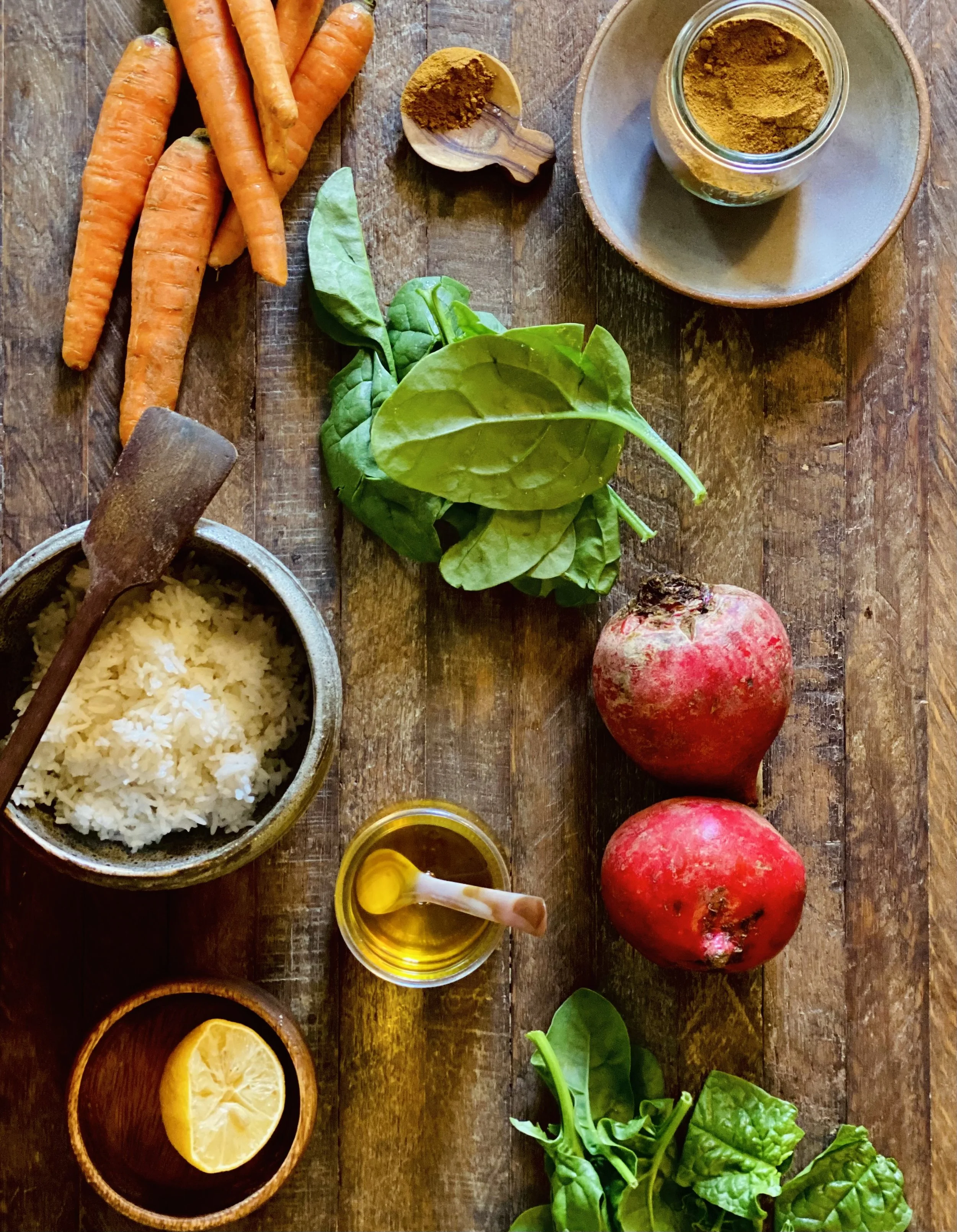
Students should be able to approach ingredients with curiosity rather than uncertainty; use foundational culinary techniques with confidence; taste and correct food intentionally; understand how preparation changes the qualities of food; work with grains, pulses, vegetables and animal foods; construct sauces, stocks, soups and preserved foods from principles; adapt cooking to season, place and eater; improvise with unfamiliar ingredients; and compose and serve a thoughtful meal.
More importantly, students will have begun developing their own judgment as cooks.
Who is Level I for?
-
For people who already love to cook and want to move beyond recipes toward greater skill, understanding and intuition.
-
For practitioners who want a deeper understanding of food, cookery and Ayurveda to complement their existing work.
-
For those considering professional food work—or already beginning it—who want a strong foundation in culinary technique and holistic foodways.
-
For anyone drawn to ingredients, seasonality, the senses and the relationship between food, body and place.
A Small Beginning
Founding Cohort 2027
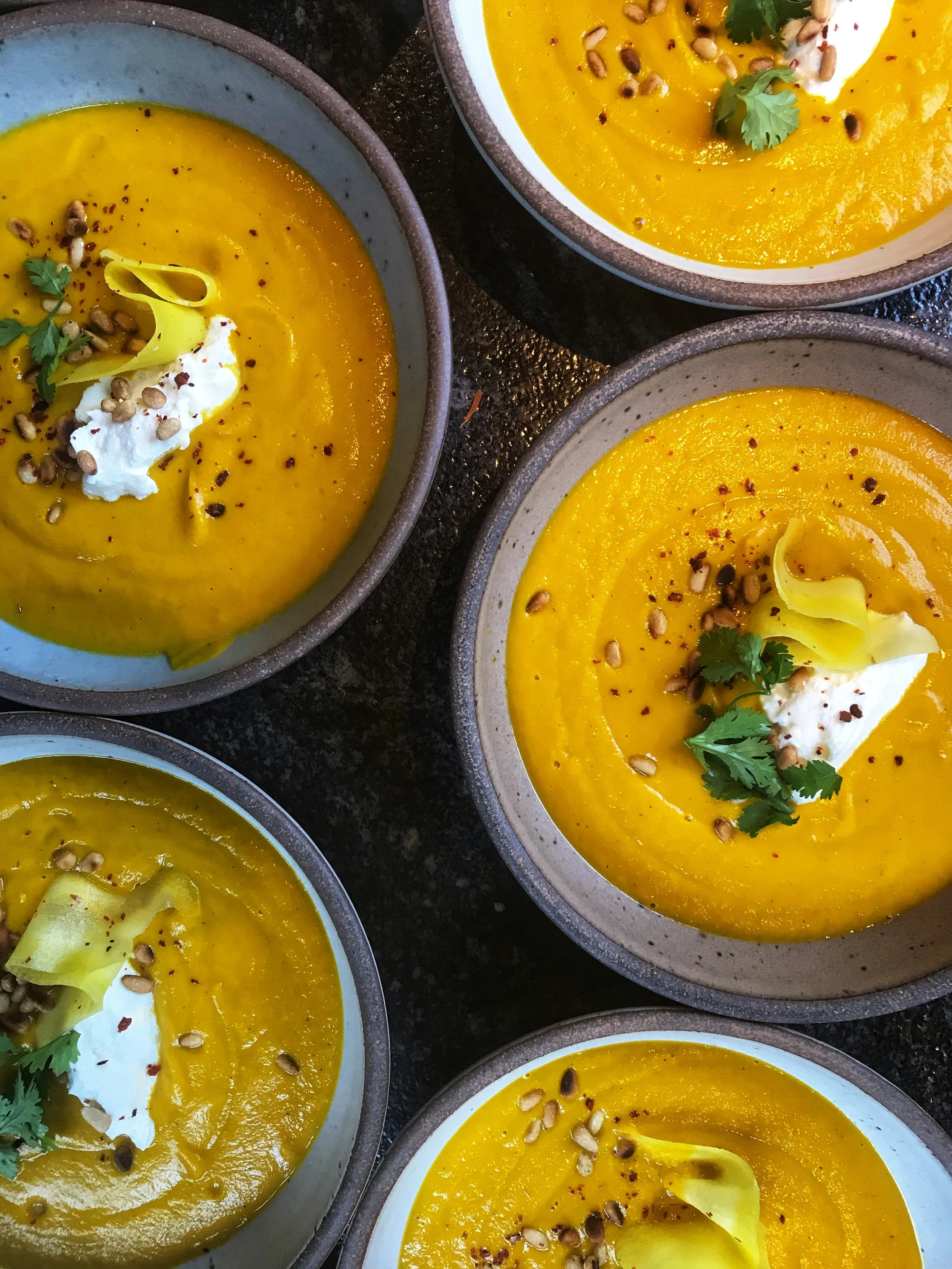
The first Level I cohort will be intentionally intimate, allowing for close instruction, conversation, feedback and the development of the Elements method in practice.
DATES
January 7th & 8th / 14th & 15th / 21st &22nd / 28th & 29th
February 4th & 5th / 11th & 12th / 18th & 19th
March 4th & 5th / 11th & 12th / 25th & 26th /
April 1st & 2nd / 8th & 9th
Practicums will be individually scheduled between April 10th and 15th
SCHEDULE
Weekly virtual theory seminar + weekly in-person culinary lab
Thursday Virtual Webinars - 5:30-7pm
Friday In-person Culinary Labs - 10:30am - 1:30pm
LOCATION
Montpelier, Vermont | Private Residence
TUITION & PAYMENT OPTIONS
Tuition for Elements Level I is $2,400, with flexible payment options available.
Pay in Full: $2,400
3 Monthly Payments: $850 ($2,550 total)
6 Monthly Payments: $445 ($2,670 total)
We believe meaningful culinary education should be accessible. If these options don't work for your circumstances, we're happy to discuss a custom payment plan.
Payment arrangements are confirmed upon acceptance into the program.
APPLICATION DEADLINE
December 15th, 2026
Frequently Asked Questions
-
No. Level I begins with foundations. It is designed for people who are serious about learning, not only people who already work in professional kitchens.
-
Ayurveda is an essential part of the Elements framework, but Level I is a culinary course. Ayurvedic principles are taught in relationship to ingredients, digestion, season, preparation and the needs of the eater rather than as an isolated body of theory.
-
Sort of—we will use recipes as tools, not the endpoint. Students will gain inspiration from recipes, write recipes and cook from them while also developing the skills to understand why a preparation works and how to adapt it.
-
No. Elements teaches a broad culinary foundation. The curriculum includes vegetables, grains, pulses, fats and animal foods and approaches ingredients through culinary technique, sourcing, traditional foodways and Ayurveda rather than a single dietary ideology.
-
Students complete weekly Materia Culinaria ingredient studies and are expected to practice techniques in their own kitchens. Expect to commit 2-3 hours of exploratory homework time outside of class per week - bonus, you will usually get dinner out of your homework!
-
Level I establishes the foundation for future study at Elements. Level II will deepen technique and move toward professional practice. Level III is envisioned as a future residential apprenticeship at the permanent Elements campus. These programs are in development and are not currently open for enrollment.